Along the Cam: Wild Blooms and Whispered Legends
Set out beside the River Cam as we explore Flora and Folklore on Cambridge’s Riverside Paths, weaving wild botany with whispered stories gathered from commons, meadows, and college backs. Expect willows and reeds alongside ghosts, omens, and seasonal signs, plus practical tips for noticing more. Bring curiosity, leave haste behind, and meet a living landscape that remembers scholars, boatmen, and thrushes alike.

Roots in Wet Earth: Plants That Shape the Riverbanks

Along mud-soft edges and grassy shelves, plants anchor the river’s patience and people’s footsteps. Pollarded willows hold the banks, reeds sift the breeze into music, and comfrey, butterbur, and water mint thrive where shade and splash trade places. Their shapes carry craft, medicine, and memory, inviting walkers to read histories under leaves while punts slide by like quiet, reflective commas.

Legends Along the Cam: Tales That Travel With the Current
Old stones, dark water, and lamplit bridges nurture stories that drift like mist, reshaped by each generation crossing late or lingering early. From fen lights leading travelers astray to spectral footsteps keeping pace with oars, the river collects superstitions without judgment. Listen kindly; some tales warn, some comfort, and some simply keep company when fog erases distance and time.

Seasonal Walks: Reading the Year by Petals and Leaves

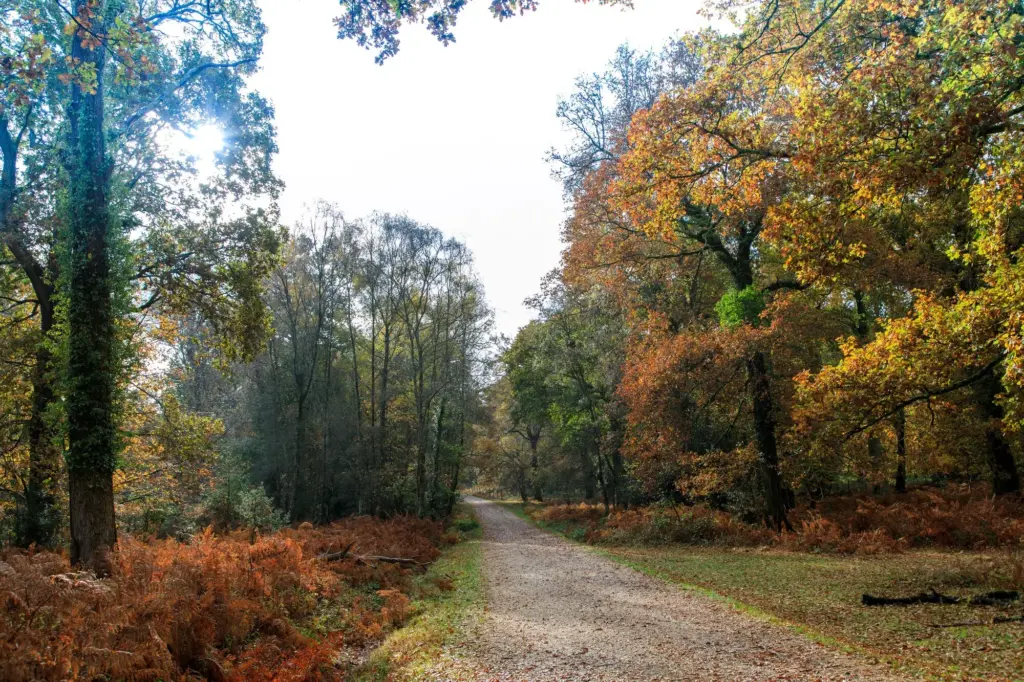
Petal by petal, the path turns calendar, revealing what month cannot hide. Cow parsley frets like lace in May, hawthorn crowns with careful stars, and later conkers drum pockets awake. Even in January, frost writes silver marginalia on dock and reed. Walking becomes reading, and each rereading reveals patience, humor, and resilience stitched into hedgerows and verges.

Spring on Midsummer Common

On mornings when the commons smell of toast from riverside kitchens, new leaves shine like varnish and blackthorn scatters blossom as if rethinking winter. Cowslips tilt buttery cups toward dog-walkers, and long-tailed tits practice teamwork in budding willows. Hope feels practical here, grounded in sap and mud, threaded through bicycle bells and distant chapel clocks.

High summer by the Backs

Under shade as grand as any library, the Backs trade dazzle for depth. Purple loosestrife spikes rise like banners, damselflies fence with needles of light, and water mint cools ankles and tempers. Picnics bloom on blankets, yet respect keeps wild corners wild. The longest day teaches gratitude for shadows, refills notebooks, and forgives grass-stained trousers.
Botany Meets Books: Scholars, Herbals, and Riverside Curiosity

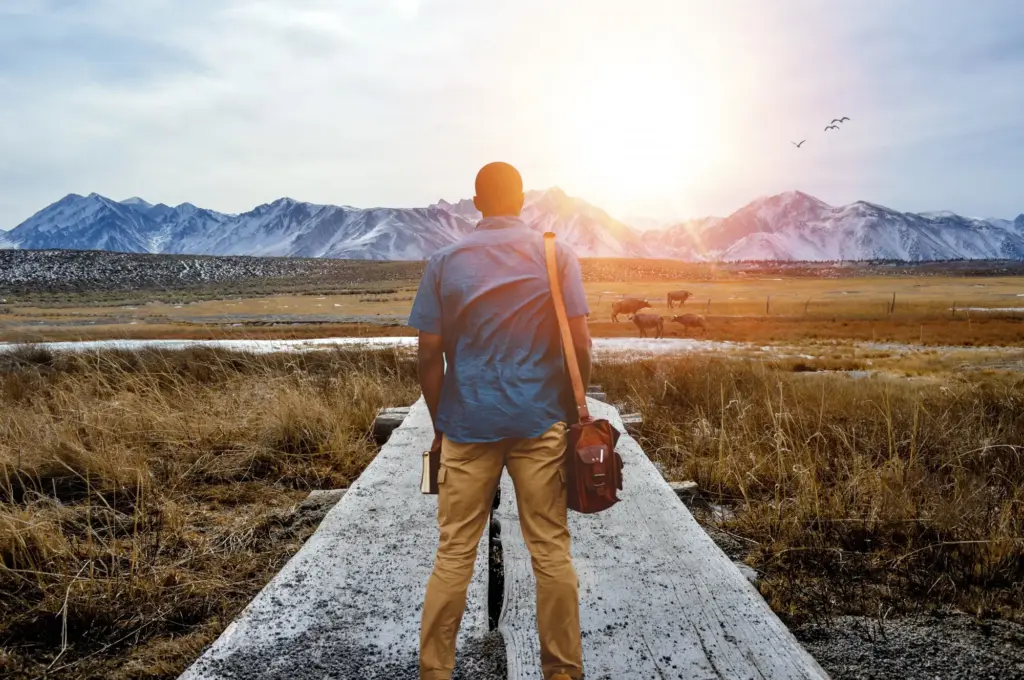
Books once rode in satchels beside plant presses, and lectures spilled outdoors where answers smelled of pond and pollen. Cambridge’s curious have long treated the river as laboratory and confessional, from apothecaries cataloging simples to professors collecting specimens before supper. Curiosity met kindness here, shaping science without scaring away wonder, and leaving footnotes in living, local leaves.
John Stevens Henslow, patient teacher and walker, urged students to trust their eyes and pockets, filling both with notes and seeds. Along these banks he practiced slowness, finding difference inside similarity, a habit that later steadied voyages far from home. His lessons still echo: collect respectfully, compare generously, and let surprise revise conclusions before ink dries.
Between pages annotated with rain-dropped ink, pressed petals flatten storms into teachable calm. Students tucked cow parsley and comfrey into herbals, mapping places to plants and friendships to footpaths. Museums hold some records; cupboards hold more. If you keep a notebook today, you join a long conversation that began beside wet roots and careful steps.

Creatures of the Water’s Edge: Birds, Insects, and Unseen Helpers

Where stems meet water, neighbors negotiate a generous peace. Kingfishers write neon signatures, swans shepherd reputations, and moorhens busy themselves like librarians after hours. Beneath, invertebrates filter silt; above, bats stitch dusk with appetite. The crowding feels respectful when edges stay messy, and every chirr, plop, and rustle reads like marginal notes in a living anthology.

Paths for Today: How to Walk Kindly and Notice More

Rivers reward those who match their tempo. A kind walk leaves nests undisturbed, litter packed out, and flowers admired in place. Tools help noticing—field guides, friendly apps, small notebooks—but wonder runs on attention, not battery. Aim for slower miles, deeper breaths, and conversations that include birds, children, and strangers who became neighbors between locks.

A slow map for quick lives

Trade hurry for a pocket map sketched in pencil: a particular willow, a bench with gossiping rooks, a puddle that keeps summer stars. Note scents, colors, and returning friends like wagtails. Fifteen mindful minutes change an afternoon; a month reshapes a year. Your map will not impress satellites, but it will steadily impress you.

Listening across centuries

Ask rowers about fog, punters about midnight, botanists about nettles, and grandparents about fairs that outgrew fields. Stories thicken paths the way roots thicken banks, holding communities through flood and heat. Share tea, trade honesty, and carry an extra glove. Listening keeps places alive and offers beginners the confidence to become careful stewards.

Share your sightings

Bring the conversation back here after your walk. Post a photograph of a flower you noticed, a kindness you practiced, or a story you heard from a stranger. Subscribe for monthly riverside cues, respond to others with encouragement, and help grow a gentle archive that can guide newcomers from first curiosity to lasting care.
Zunotemikentozavolaxi
Privacy Overview

This website uses cookies so that we can provide you with the best user experience possible. Cookie information is stored in your browser and performs functions such as recognising you when you return to our website and helping our team to understand which sections of the website you find most interesting and useful.